
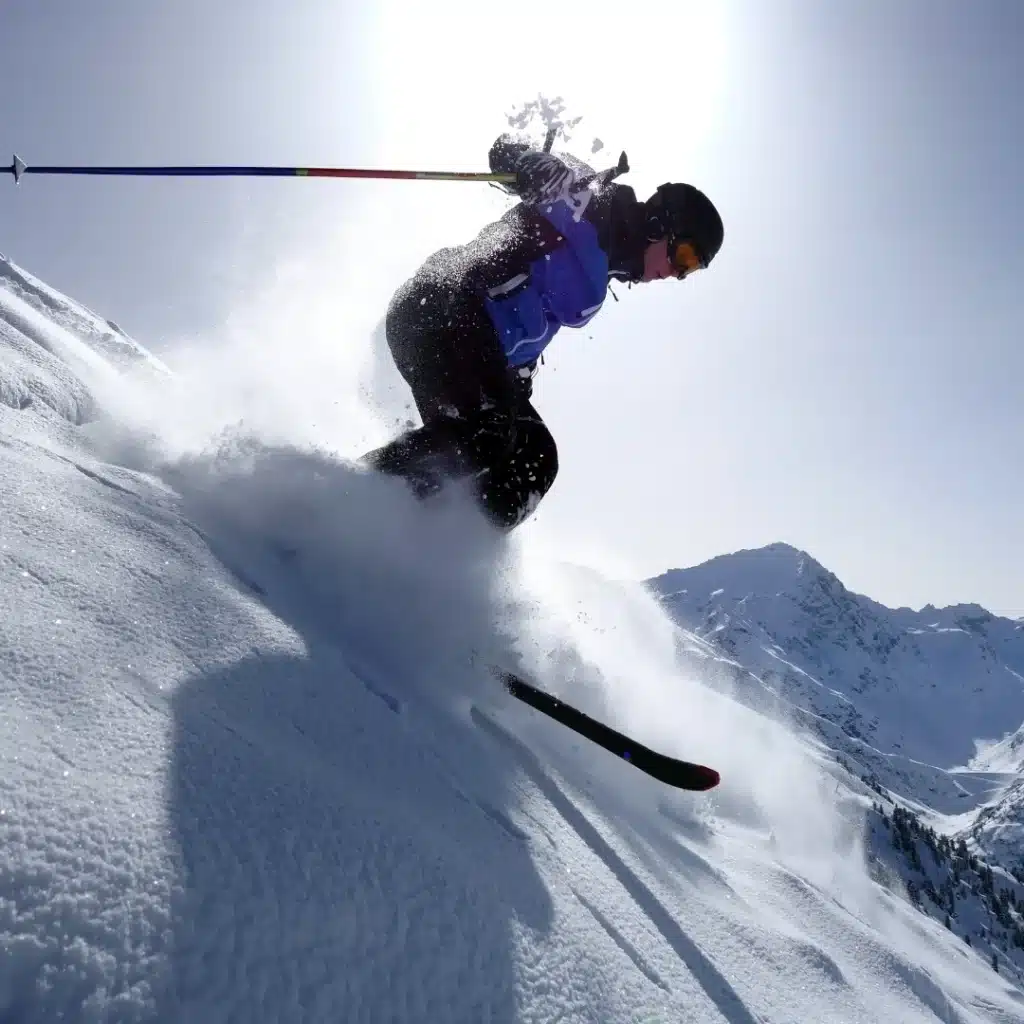
Skiing is one of those rare sports that feels both exhilarating and effortless – right up until something goes wrong. Whether you are heading to the Alps for a week or squeezing in a long weekend on the slopes, injuries can quickly turn a dream trip into a frustrating experience.
The good news is that most ski injuries are preventable. With the right preparation, smart choices on the mountain, and a little awareness of how your body moves, you can significantly reduce your risk and enjoy skiing for longer.
This guide covers the most common ski injuries and, more importantly, how to avoid them.
Common Ski Injuries (and Why They Happen)
Skiing places high demands on strength, balance, and coordination. When fatigue sets in or technique slips, injuries tend to follow.
The most common injuries include:
· Knee injuries (especially ACL and MCL strains) due to twisting falls or skis failing to release
· Lower back pain from prolonged flexed posture, poor core control, or repeated impacts
· Shoulder and wrist injuries from falling onto an outstretched arm
· Muscle strains (quads, hamstrings, calves) caused by fatigue or inadequate preparation
Many of these injuries occur not because someone is reckless, but because their body simply was not ready for the demands of skiing.
Pre-Ski Prep
You would not run a half marathon without training. Skiing deserves the same respect.
A few weeks of targeted preparation can make an enormous difference.
Key Areas to Focus On
· Leg Strength – Strong quadriceps, glutes, and hamstrings help control speed, absorb forces, and protect the knees
· Core Stability – A stable trunk allows better control over your skis and reduces stress on the lower back
· Balance and Proprioception – Single-leg balance work prepares your body for unpredictable terrain and sudden changes in direction
· Mobility – Adequate ankle, hip, and thoracic spine mobility allows smoother movement and reduces compensatory strain
Even 2-3 short sessions per week can noticeably improve performance and resilience on the slopes
Warm Up Properly (Yes, Even on Holiday)
Cold muscles are far more likely to strain or tear. A quick warm-up before your first run can dramatically reduce injury risk.
A good ski warm-up should include:
- Dynamic leg swings and squats
- Gentle lunges with rotation
- Calf raises and ankle mobility drills
- Light trunk rotations
This only takes about 5 minutes but primes your nervous system and improves reaction time – especially important first thing in the morning.
Technique, Fatigue, and When to Stop
Poor technique and fatigue are a dangerous combination.
As you tire, your reaction time slows, coordination reduces, and your risk of falling increases. Many ski injuries happen late in the day when legs are burning and concentration fades.
Key tips:
· Take regular breaks
· Stay hydrated and fuel properly
· Avoid pushing through exhaustion
· Consider a lesson – even experienced skiers benefit from technical refinement
Equipment Matters
Ill-fitting or poorly adjusted equipment significantly increases injury risk.
Make sure that:
          •            Ski boots fit snugly without excessive pressure

          •            Bindings are correctly set for your height, weight, and ability

          •            Helmets are well-fitted and comfortable
Bindings that do not release properly are a major contributor to knee injuries, especially in twisting falls.
If in doubt, get your equipment checked professionally at resort rental shops.
Listen to Early Warning Signs
Pain is not weakness. It is information.
Persistent tightness, sharp pain, or instability should not be ignored. Skiing through pain often turns a minor issue into a season-ending injury.
Early assessment and treatment can:
- Reduce recovery time
- Prevent compensation injuries
- Keep you skiing safely for the rest of your trip
What This Means for Your Ski Trip
Skiing should be challenging, fun and memorable – not painful.
Most ski injuries are the result of poor prep, fatigue, or avoidable mistakes. A little planning before your trip, combined with smarter habits on the mountain, can make all the difference.
If you are planning a ski holiday and want to prepare properly – or if you are dealing with a niggle before or after your trip – professional assessment and targeted rehabilitation can help keep you active, confident, and injury-free.
If you have a problem that’s stopping you from skiing and you’d like to see a professional, book your free 15 minute discovery visit here.
FAQ’s
Is skiing bad for your knees?
Skiing is demanding on the knees, particularly the ACL and MCL, but it is not inherently bad for them. Strong leg muscles, good technique, and correctly set bindings significantly reduce injury risk.
How fit should I be before a ski holiday?
You do not need elite fitness, but basic leg strength, balance, and cardiovascular fitness make a big difference. Even a few weeks of preparation can reduce fatigue and injury risk.
Should I ski through muscle soreness?
Mild muscle soreness is normal, especially early in the trip. Sharp pain, instability, or worsening symptoms should not be ignored, as these often lead to more serious injuries.
Do warm-ups really make a difference when skiing?
Yes. Warm-ups improve muscle elasticity, reaction time, and coordination, all of which reduce the likelihood of strains and falls, particularly on the first run of the day.